

Water hygiene and Legionella control
Legionella risk assessments, water sampling, tank inspections and full system hygiene management to meet statutory obligations under the HSE L8 ACOP.
The challenge
Water safety is a legal duty
Duty holders must manage the risk of Legionella in their water systems and keep records that show it. Little-used outlets, poor temperature control and neglected tanks all increase the risk to residents.
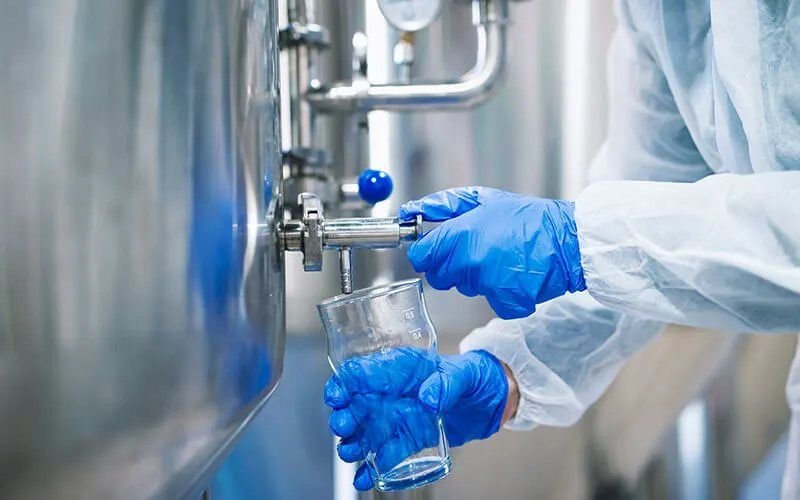
Complete water hygiene support delivered in line with the HSE L8 Approved Code of Practice. From Legionella risk assessments to tank cleans and statutory record keeping, we take full responsibility for keeping your domestic water systems safe.
Your legal duties
What duty holders must do
Employers and anyone in control of premises, including landlords, must manage the risk from Legionella. HSE sets out the steps, and we deliver each one for you.
Identify and assess the risk
Legionella risk assessments of your hot and cold water systems.
Manage the risk
A written scheme of control setting out the precautions, who carries them out and how often.
Prevent or control the risk
Temperature control, little-used outlet flushing, tank cleans and disinfections, TMV servicing and shower head descaling.
Keep the right records
Water-services logbooks, temperature records and L8 ACOP compliance reporting.
What's included
Water Hygiene & Legionella Control
Legionella risk assessments, temperature monitoring, sampling, tank cleans and L8 compliance.
Need this for your site?
Tell us about your site and we’ll be in touch within one business day.

Temperature control
The numbers that keep Legionella under control
Legionella bacteria multiply in water between 20°C and 45°C, so temperature control sits at the heart of every scheme of control. These are the figures HSE guidance sets out.
Stored hot water
Hot water in calorifiers and cylinders should be stored at 60°C or above.
Hot water at outlets
Hot water should reach outlets at 50°C or above within one minute (55°C in healthcare premises).
Cold water
Cold water should be below 20°C after running for two minutes.
Monitoring records
Records of monitoring and inspection results should be kept for at least five years.
Source: HSE Approved Code of Practice L8 and technical guidance HSG274 Part 2.
Routine checks
Typical checks through the year
Your risk assessment sets the checks and frequencies for your site. These are the typical ones in HSE guidance HSG274 Part 2.
Little-used outlets
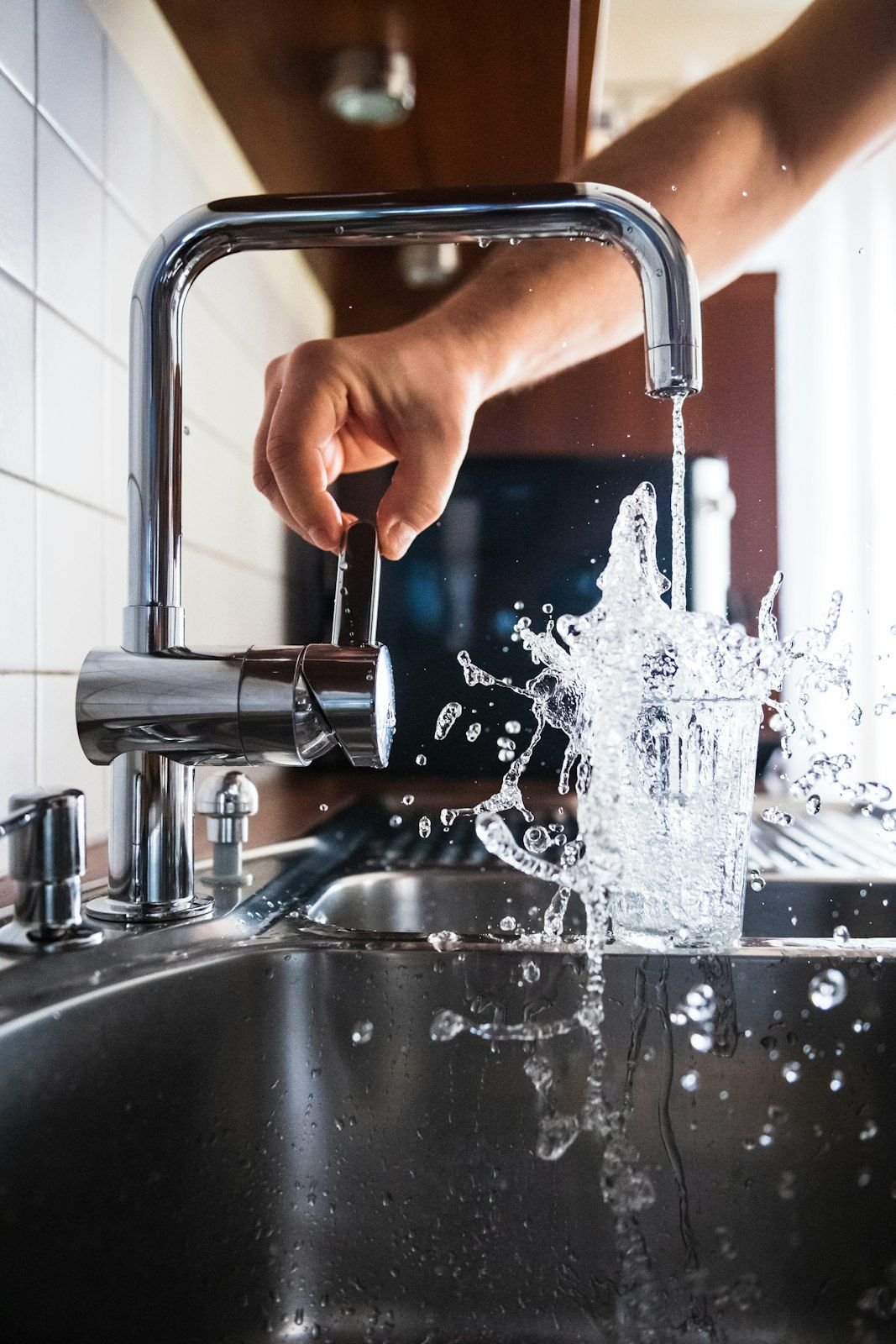
Outlets that are rarely used are flushed so water does not stand in the pipework.
Sentinel outlets
Temperatures checked at the outlets nearest to and furthest from cylinders and tanks.
Shower heads
Shower heads dismantled, cleaned and descaled, or as the risk assessment sets out.
Tanks and cylinders
Cold-water storage tanks and hot water cylinders inspected for debris, scale and sludge.
How we deliver it
Full responsibility for safe water
Planned visits can include little-used outlet flushing, sentinel temperature monitoring, cold-water storage tank inspections and water-services logbooks. We are members of the Water Management Society and follow its best practice standards.
Gas Safe registered engineers, City & Guilds qualified and experienced across plant room and domestic work.
Responsive 24/7 support for breakdowns and urgent compliance needs, with fast mobilisation to minimise downtime.
A dedicated site manager with planned schedules and service strategies tailored to each site.
Digital reports after every visit, with photos, readings, certificates and a prioritised defect register.

Who we support
Supporting homes, developments and commercial sites
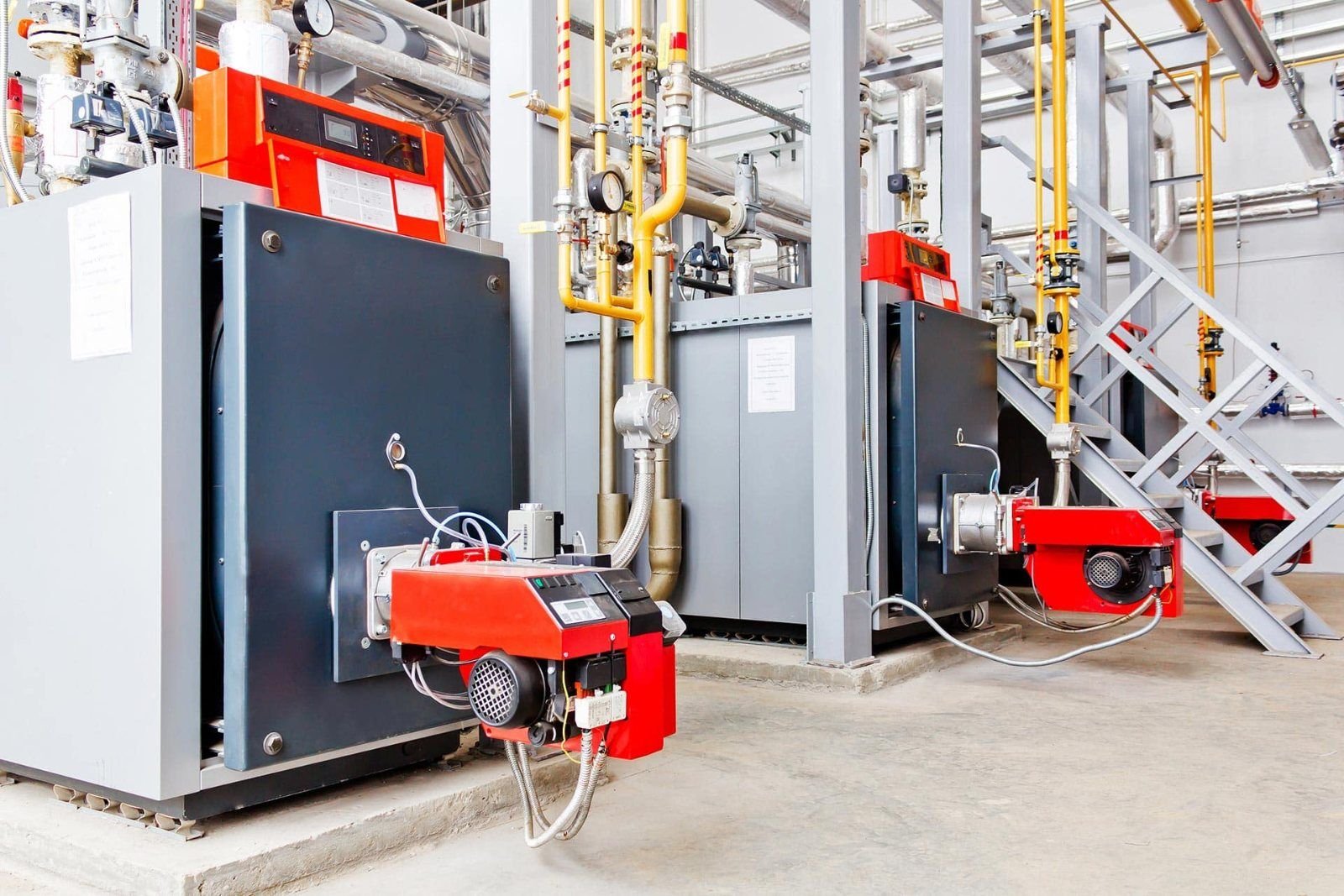
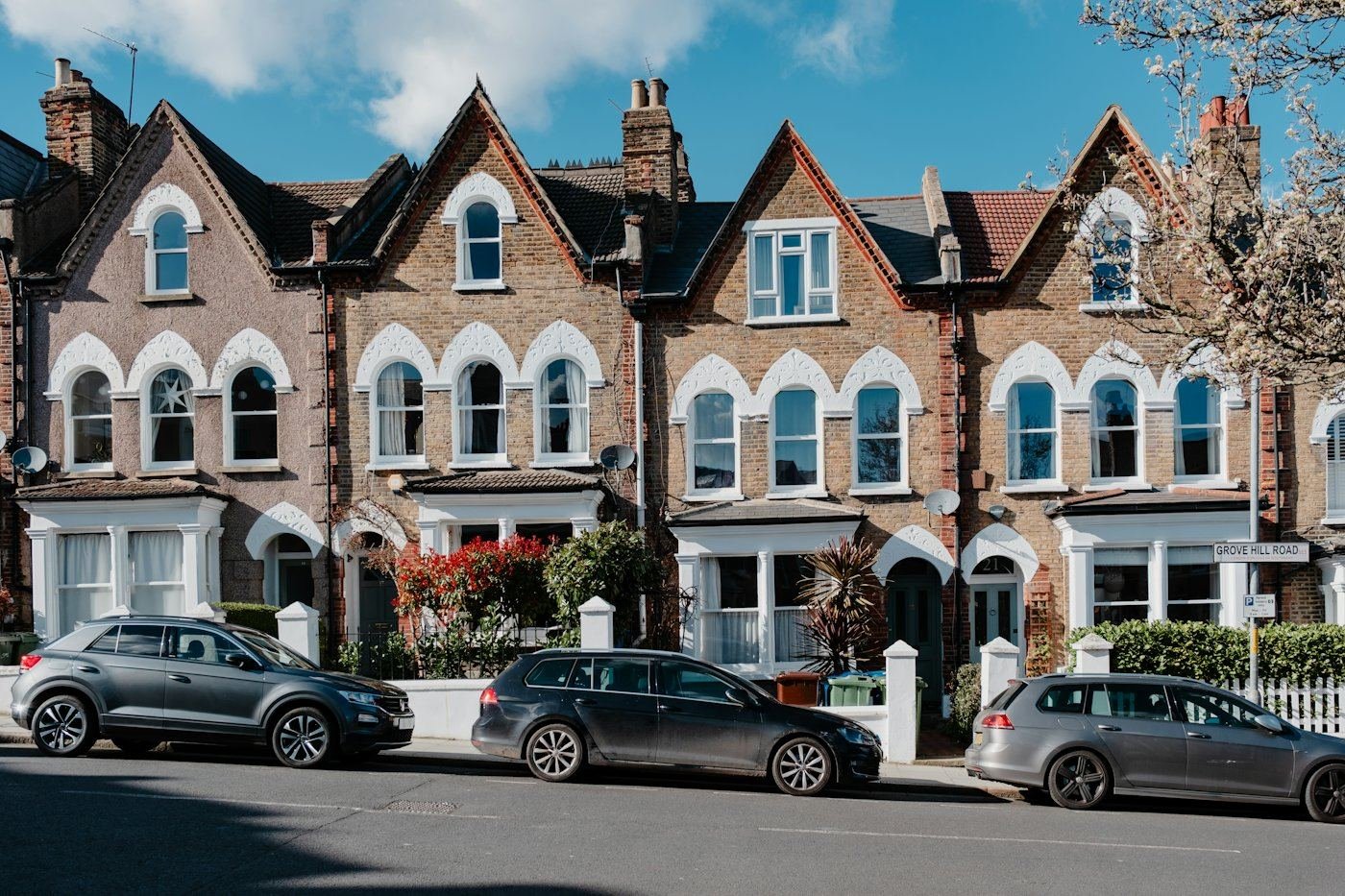
We provide heating, hot water and water hygiene services for the people who own, manage and live in residential and commercial property, including:
Getting started
How we work, in 3 simple steps
Whether you manage one property or a large portfolio, we tailor a maintenance strategy around your assets, risk profile and budget.
- 01
Tell us about your site
Share your site details, assets and any current issues, whether it is one property or a large portfolio.
- 02
Assessment and tailored plan
We assess the site and build a maintenance strategy around your assets, risk profile, compliance duties and budget.
- 03
Planned care with clear reporting
Our engineers deliver the agreed programme and every visit is documented with audit-ready reports.
Ready to start?
Tell us about your site and we’ll tailor a maintenance strategy around your assets, risk profile and budget.
Request a callback
Safety and compliance
Safe, compliant and fully documented
Gas Safe registered engineers, accredited working practices and documentation designed for audits, insurers and statutory duties.
Our accreditationsFAQs
Frequently asked questions
Can’t find what you’re looking for? Our team is happy to help.
Ask us a questionDo you carry out Legionella risk assessments?
Yes. We carry out Legionella risk assessments and provide a written scheme of control, temperature monitoring, sampling and L8 ACOP compliance reporting.
Who is responsible for Legionella control?
Employers and anyone in control of premises, including landlords, must identify and assess the risk, manage and control it, and keep records. We carry out the assessments, checks and records on your behalf.
Do you clean water tanks?
Yes. We carry out cold-water storage tank inspections, cleans and disinfections.
Are you members of the Water Management Society?
Yes. We are members of the Water Management Society (WMSoc) and work to its best practice standards.
Got a question?
Talk to us about water hygiene and Legionella
Whether you manage one property or a large portfolio, we can tailor a maintenance strategy around your assets, risk profile and budget.
0203 488 1032 contact@directgasandheatingltd.co.uk24/7 emergency call-out across London and the South East.
Request a callback
Essential details only. We’ll be in touch within one business day.